
Commercial Elevator Buying Guide: Key Factors to Consider for High-Rise & Office Buildings in Bangladesh
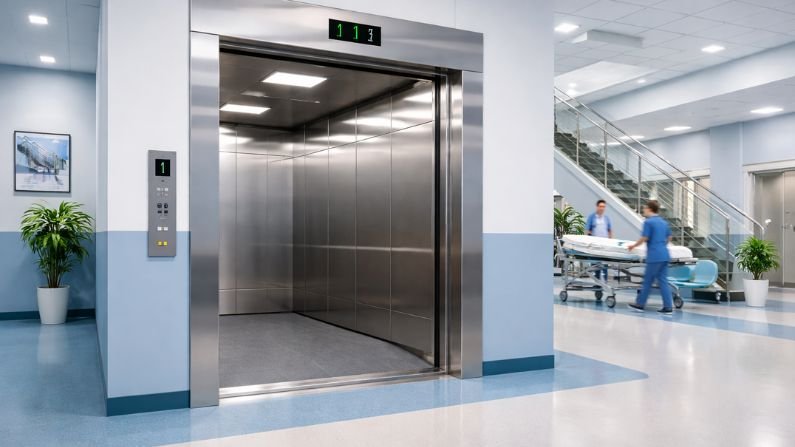
Installing a commercial elevator is one of the most critical structural and financial investments for modern high-rise office complexes, shopping malls, hospitals, and residential towers. A well-chosen vertical transportation system ensures smooth tenant traffic, high energy efficiency, and uninterrupted daily operations.
As a leading provider of precision vertical transportation, Nexapex has compiled this comprehensive buyer’s guide to help real estate developers, architects, and building owners select the right commercial elevator in Bangladesh.
1. Traffic Analysis & Building Capacity
Before choosing an elevator model, you must evaluate the daily passenger traffic flow.
-
Peak Hours: Consider peak building usage during office start/end times or lunch breaks.
-
Car Capacity & Speed: High-traffic commercial buildings require larger car capacities (typically 1,000 kg to 1,600 kg carrying 13 to 20 passengers) and higher speeds (1.5 m/s to 2.5 m/s or above) to minimize floor waiting times.
2. Choosing the Right Drive Technology
Modern commercial elevators generally use two primary technology platforms:
-
Gearless Traction Elevators (VVVF Drive): Ideal for medium to high-rise commercial structures. Permanent Magnet Synchronous Motors (PMSM) paired with Variable Voltage Variable Frequency (VVVF) drives provide ultra-smooth acceleration, whisper-quiet operation, and energy savings of up to 40%.
-
Machine Room-Less (MRL) Elevators: Perfect for architectural designs with restricted roof height. MRL systems place the compact gearless motor directly inside the hoistway, saving floor space and reducing civil construction costs.
3. Essential Safety Features & Emergency Systems
Commercial buildings in Dhaka and across Bangladesh must adhere to strict safety codes (including BNBC guidelines). Essential safety features to ensure include:
-
Automatic Rescue Device (ARD): In the event of a sudden power outage, the ARD automatically moves the elevator car to the nearest floor and opens the doors to safely release passengers.
-
Infrared Light Curtain Door Sensors: Prevents elevator doors from closing when passengers or objects are detected at the threshold.
-
Overload Protection System: Triggers an alarm and stops movement if the car exceeds maximum weight limits.
-
Fire Emergency Operation (Phase I & II): Integrates with the building’s fire alarm system to recall elevators to the main evacuation floor.
4. Architectural Shaft Dimensions & Customization
Proper shaft design prevents costly structural modifications during installation.
-
Shaft & Pit Depth: Ensure pit depth and overhead clearance conform to international standards (e.g., EN81).
-
Cabin Interior & Aesthetics: For high-end commercial properties, customizable stainless steel panels, LED ambient lighting, glass observation walls, and durable anti-slip flooring add long-term aesthetic and commercial value.
5. Maintenance Support & SLA Commitments
An elevator is only as reliable as its ongoing maintenance support. Frequent downtime damages a commercial building’s reputation and tenant retention.
Always ensure your elevator supplier provides:
-
24/7 Rapid Emergency Response: Local technical teams ready to address unexpected breakdowns in Dhaka and key urban hubs.
-
Routine Preventive Servicing: Regular monthly inspections covering drive diagnostics, brake systems, door alignment, and safety gear.
-
Genuine Spare Parts Availability: Direct access to original controllers, door operators, and drive components.
Partner with Nexapex for Reliable Commercial Elevators
From initial traffic planning and custom manufacturing to expert testing, commissioning, and round-the-clock maintenance, Nexapex delivers end-to-end vertical transit solutions engineered for performance and safety.
Need expert consultation for your upcoming commercial project?
Contact the engineering team at Nexapex today to request a customized quote and technical site survey.